
"coffee and sulfur compounds"
300 article(s) found

Boutique Coffee the basic concept of coffee-2
Second, the main ingredients of coffee 1. Caffeine is the most eye-catching of all the ingredients of coffee, with a particularly strong bitter taste. It belongs to a kind of phytoxanthamins (animal muscle components). It has the same properties as theobromine contained in cocoa, green tea contains the same theophylline, and the percentage of reduction after baking is very small. Caffeine has a very extensive effect and can affect the brain, heart and blood of the human body.

Detailed Analysis of the components of Fine Coffee beans
Volatile compounds are the primary source of coffee flavor, especially for coffee quality. There are many kinds of volatile snail in coffee, and its existence will affect the aroma quality of coffee. Its primary origin is derived from the non-volatile substances in raw beans which are disconnected or derived from spinning hooks in the process of roasting. Impregnation of thermal differentiation, other spinning hooks or compositions, such as sugars and amino acids
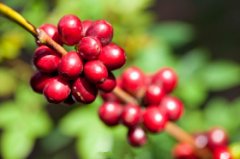
The basic concept of coffee the main ingredients of coffee
1. Caffeine is the most eye-catching of all the ingredients of coffee, with a particularly strong bitter taste. It is a kind of phytoxanthin (animal muscle component). Its properties are the same as theobromine contained in cocoa, green tea contains the same theophylline, the percentage of reduction after baking is very small, and the effect of caffeine is very extensive. it affects the brain, heart, blood vessels, gastrointestinal tract, muscles and kidneys.

Coffee common sense explains the mystery of coffee
The world's first coffee tree was discovered by Ethiopian shepherds. Coffee has been cultivated for more than 1500 years. Coffee trees are mainly grown in Latin America, Africa and Southeast Asia. In China, coffee was first introduced in 1884, and now coffee is cultivated in tropical areas such as Taiwan, Hainan, Guangxi and Yunnan. The main components of coffee
Boutique coffee learns how coffee beans are discovered
The world's first coffee tree was discovered by shepherds in Ethiopia. Up to now, coffee has been cultivated for more than 1500 years. Coffee trees are mainly planted in Latin America, Africa and Southeast Asia. In China, coffee was first introduced in 1884, and now coffee is grown in tropical areas such as Taiwan, Hainan, Guangxi and Yunnan. The main ingredients of coffee
The mysterious veil of boutique coffee culture coffee
The world's first coffee tree was discovered by shepherds in Ethiopia. Up to now, coffee has been cultivated for more than 1500 years. Coffee trees are mainly planted in Latin America, Africa and Southeast Asia. In China, coffee was first introduced in 1884, and now coffee is grown in tropical areas such as Taiwan, Hainan, Guangxi and Yunnan. The main ingredients of coffee

Chemical reaction and temperature during coffee roasting changes of reactive substances in coffee roasting process
Professional coffee knowledge exchange more coffee bean information please follow the coffee workshop (Wechat official account cafe_style) professional coffee roasting | coffee roasting is too complicated? A picture teaches you how the baking process reacts to the chemical composition of the baking. Sucrose: melting point 187.8 ℃-sugar? Complex = caramelization-water CO2 escapes to produce an explosive First Crack phenomenon. I'm in the roaster.

What is the defective flavor? what is the defective flavor?
Boiled beef cooked beef odor type: roasted, animal odor characteristics: this is the rich and appetizing smell of cooked beef and roasted poultry skins. 2-methyl-3-thiofuran (2-Methyl-3-furanethiol) tastes like boiled beef. Boiled beef in coffee: this delicate, sulfur aroma is worthy of the best Arabica. It's related to cocoa.

Caramel reaction (Caramelization) in coffee roasting
Follow the caf é (Wechat official account vdailycom) and found that Beautiful Cafe opened a small shop of its own. I once told you that the three most important chemical reactions when roasting coffee beans are: Maillard Reaction Strecker Degration Caramelization about Maillard Reaction. I have written an article about its reaction principle and the wind generated.
The basic knowledge of coffee the taste and taste of coffee
The sensory evaluation of coffee flavor is divided into three stages: smell, taste and taste. The sense of smell of coffee refers to the sensation of olfactory organs. People smell the smell because the receptors at the nasal septum are stimulated by volatile chemicals, usually containing hydrogen, carbon, nitrogen, oxygen or sulfur. When these chemicals are forced in the form of gases

The basic knowledge of boutique coffee beans the mysterious veil of coffee
The world's first coffee tree was discovered by shepherds in Ethiopia. Up to now, coffee has been cultivated for more than 1500 years. Coffee trees are mainly planted in Latin America, Africa and Southeast Asia. In China, coffee was first introduced in 1884, and now coffee is grown in tropical areas such as Taiwan, Hainan, Guangxi and Yunnan. The main ingredients of coffee
What is the defective flavor? what is the defective flavor?
Boiled beef cooked beef odor type: roasted, animal odor characteristics: this is the rich and appetizing smell of cooked beef and roasted poultry skins. 2-methyl-3-thiofuran (2-Methyl-3-furanethiol) tastes like boiled beef. Boiled beef in coffee: this delicate, sulfur aroma is worthy of the best Arabica. It's related to cocoa.
Introduction to the Origin characteristics of Arabica Coffee beans the substances contained in coffee beans become fragrant
Professional coffee knowledge exchange more coffee bean information please follow the coffee workshop (Wechat official account cafe_style) front street-Arabica varieties, aromatic ingredients introduction I. types of coffee: coffee beans can be roughly divided into three categories: (1)? Arabica (Arabica) coffee tree, (2)? Robusta Coffee Tree and (3) Liberica Coffee

How to get started with Coffee roasting | basic knowledge of Coffee Baking how to roast coffee beans at home
I bet baking is something every barista wants to know! We can develop the flavor by roasting coffee. How can we get the best taste of coffee? What actually happens when you bake? Why is baking important? Coffee beans are seeds that ripen in coffee cherries. They are then processed and dried into coffee beans. Before baking, the coffee beans are green

How to Bake Coffee beans? several baking methods of coffee beans
When you buy roasted coffee beans, you will notice the color and shape of the coffee. if the beans are full and uniform, this is a properly roasted and good quality coffee. in addition, after baking for a period of time, oil will appear on the surface of the beans, but don't forget that even fresh coffee beans will appear on the surface after deep baking. We're talking about coffee roasting (

Flavor atlas of Yunnan coffee
As we all know, raw beans have almost no other flavor except the smell of grass before baking, but their chemical components react in a series of ways during the baking process, forming the unique flavor of coffee. Coffee contains more than 800 volatile components, even if some ingredients are trace, can also play a role in the flavor. Dehong, Baoshan, Lincang and Pu'er in Yunnan Province are domestic small-grain coffee.

Effect of volcanic soil on coffee beans does coffee growing soil influence coffee flavor?
I believe everyone who loves coffee knows the influence of variety, climate, altitude, origin and treatment on coffee, but do you know that the soil grown in coffee also affects the flavor of coffee? Do you know that many famous boutique coffee producing areas are volcanic soil? For example, Kirimara Manor in Kenya is at the foot of Mount Kenya, which is a compound volcano. Drank Lin Dong Mante.
What are the ingredients of caffeinated coffee?
Google for caffeine and you'll get more than 20 million results about caffeine in 0.11 seconds, and most descriptions of caffeine are negative: caffeine is bad, caffeine is addictive, headaches, high blood pressure, etc., and so on, most of the result is that caffeine is the enemy of our health, and drinking coffee is equivalent to drinking caffeine. This will lead.

101 misunderstandings about Coffee in basic knowledge of Fine Coffee
Search for caffeine and you will find more than 20 million results about caffeine in 0.11 seconds, and most of the descriptions of caffeine are negative: caffeine is bad, caffeine is addictive, headaches, high blood pressure, etc., in short, most of the result is that caffeine is the enemy of our health, and drinking coffee is equivalent to drinking caffeine. Coffee innocent 101
Reasons why tea beats coffee
Tea leaves have always left a good impression in people's minds. The chemical composition of tea is composed of 3.5-7.0% inorganic matter and 93 - 96.5% organic matter. There are about 27 kinds of inorganic mineral elements in tea, including phosphorus, potassium, sulfur, magnesium, manganese, fluorine, aluminum, calcium, sodium, iron, copper, zinc, selenium and so on.